Proactive Vegetation Management That Protects Utility Infrastructure Before Damage Occurs
The cost of vegetation-related utility damage extends well beyond the repair bill. Outage duration, emergency restoration expenses, regulatory scrutiny, customer claims, and litigation exposure can multiply the direct cost of a single vegetation contact event many times over. For utilities running reactive vegetation programs, these costs accumulate into a predictable and largely avoidable financial burden.
ACRT’s utility damage prevention services are built around a straightforward premise: identifying and addressing vegetation hazards before they contact infrastructure is significantly less expensive than responding after they do. Our independent foresters and arborists work proactively across your system by systematically identifying, documenting, and prioritizing vegetation hazards before they become outage events, equipment damage, or liability exposure.
Protect Your Assets
Vegetation contact is one of the leading causes of damage to utility infrastructure — from distribution lines and transformers to transmission structures and substations. Trees that encroach on energized equipment don’t just cause outages; they damage hardware, accelerate equipment deterioration, and create conditions that shorten asset lifespan and increase capital replacement costs.
ACRT’s field teams conduct systematic vegetation hazard identification along utility corridors by assessing encroachment risk, identifying species with growth patterns that pose elevated contact risk, flagging structurally compromised trees in proximity to infrastructure, and providing the prioritized, field-verified recommendations utilities need to direct clearance work where it matters most before contact occurs.
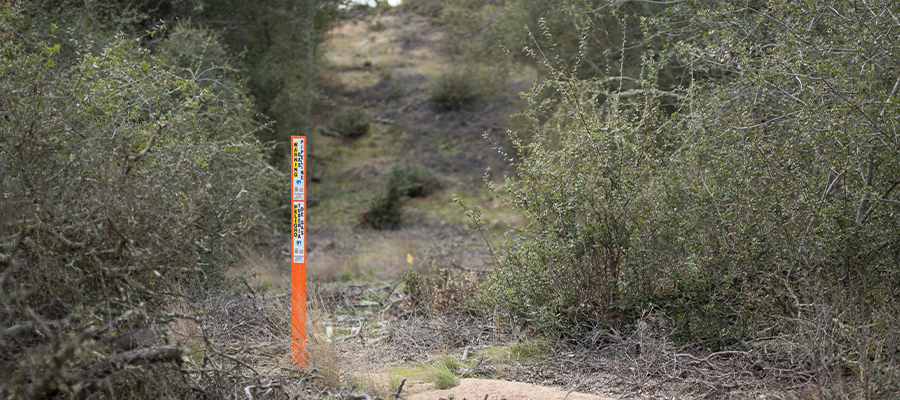
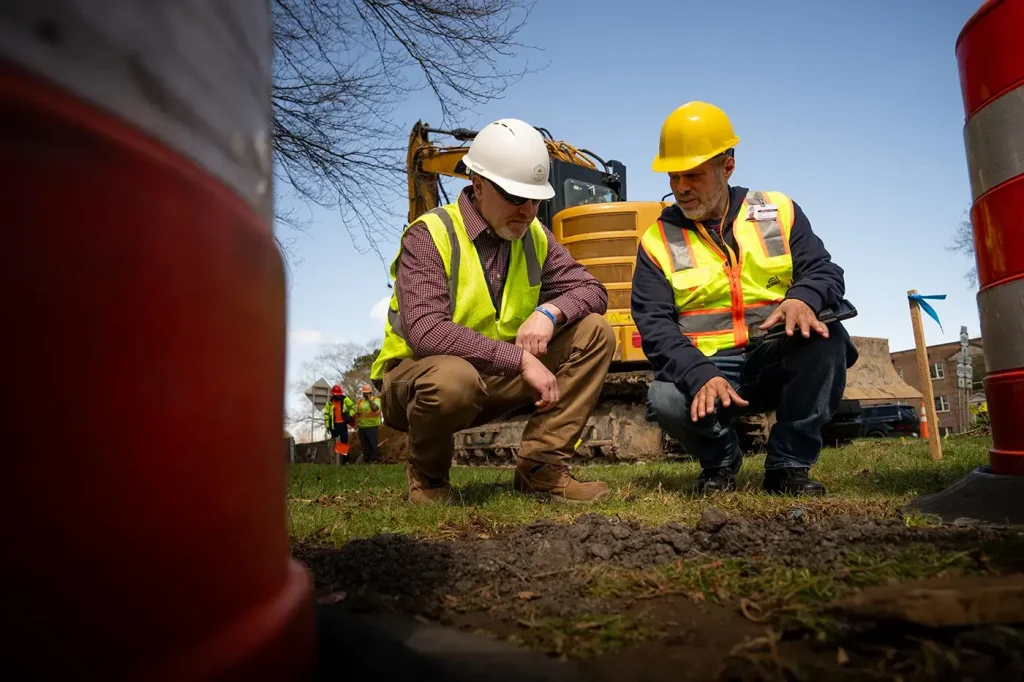
Our team also provides underground utility damage prevention services through our sister company, Bermex. Our trained professionals use advanced technology to accurately locate and mark underground utilities for gas, electric, water, telecom, and fiber optic lines. Our teams work as an extension of your operations — or as your trusted partner on the job site — to ensure underground infrastructure stays protected.
Proactive asset protection through utility damage prevention is also financially defensible. Utilities that can demonstrate systematic, documented hazard identification and clearance management are in a fundamentally stronger position when infrastructure damage or outage events do occur.
Reduce Liability Exposure
When vegetation-related utility damage results in property loss, injury, or litigation, the utility’s documented record of vegetation inspection, hazard identification, and clearance management becomes central to its legal and regulatory defense. A well-documented, independently conducted utility damage prevention program is one of the most important risk management tools a utility can maintain. Not because it eliminates incidents entirely, but because it demonstrates the proactive diligence that regulators, courts, and insurers expect.
ACRT provides the independent inspection, audit, and documentation services that build that defensible record. Our foresters conduct systematic hazard assessments, document findings with the specificity and consistency that holds up under scrutiny, and provide audit services that verify contractor clearance work was performed to standard. Because ACRT has no affiliation with the tree care contractors performing clearance work, our audit findings carry the objectivity that internal or affiliated evaluations cannot.
Control Outage-Related Costs
Vegetation-related outages are expensive — not just in emergency restoration costs but in regulatory penalties, customer compensation, reputational exposure, and the long-term program costs that reactive maintenance cycles generate. Utilities that allow vegetation management programs to lag behind growth cycles consistently face higher restoration costs, more frequent emergency response events, and greater regulatory scrutiny than those running proactive, well-documented programs.
ACRT helps utilities break that reactive cycle. By systematically identifying and prioritizing vegetation hazards before they cause outages, our teams help utilities shift program posture from reactive to proactive. This helps reduce emergency response frequency, control long-term maintenance costs, and build the kind of consistent program performance record that supports favorable regulatory and insurance treatment over time.
For utilities using ACRT’s Visualizer analytics platform, vegetation damage prevention data integrates directly into program performance monitoring. It gives operations teams near real-time visibility into hazard identification rates, clearance completion, and circuit-level risk trends that support proactive program management decisions.