
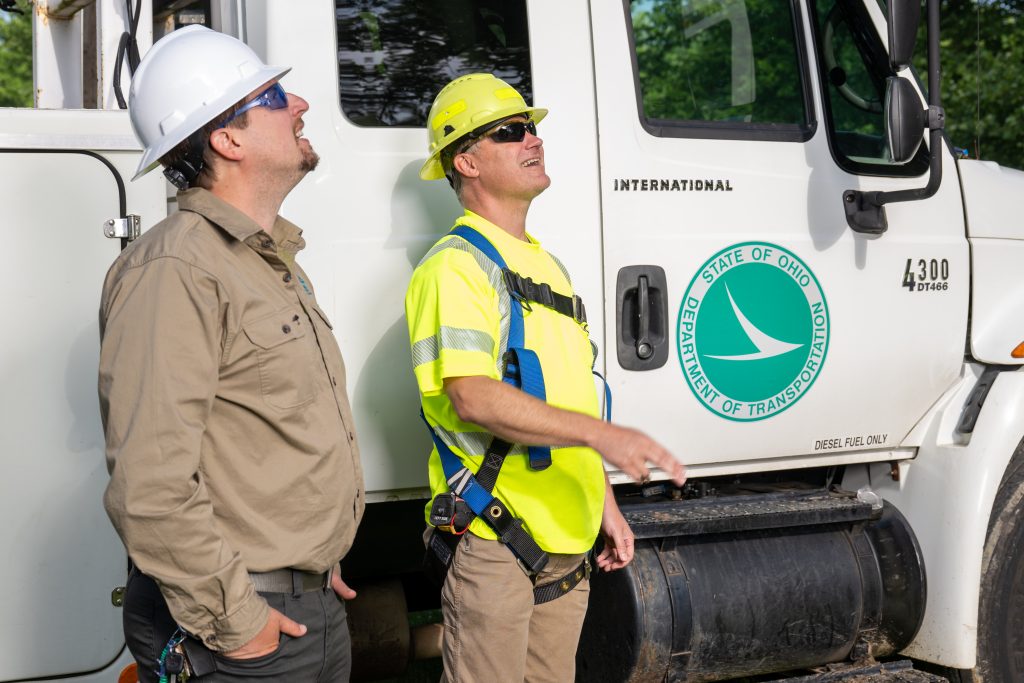
Right-of-Way Vegetation Management for Public Infrastructure
Government agencies, transportation departments, and public infrastructure operators face vegetation management challenges that are as demanding as any in the utility sector, and in some ways more complex. Rights-of-way cross diverse terrain, span jurisdictional boundaries, carry significant public safety obligations, and require long-term, sustainable approaches that balance operational performance with regulatory compliance and community responsibility.
ACRT provides independent right-of-way vegetation management consulting for a range of government and public infrastructure clients nationwide. Our experienced foresters and arborists bring the field expertise, compliance knowledge, and program management capability needed to keep public corridors safe, functional, and properly maintained. It’s all backed by more than four decades of hands-on ROW experience and the objectivity that comes from being fully independent.
DOT and Highway Rights-of-Way
Roadside vegetation management is about more than appearance. Hazard trees, overgrown sight-line obstructions, invasive species, and storm-damaged vegetation along highway corridors create real risk for motorists and infrastructure. Managing them requires a long-term, data-informed strategy tailored to regional climate conditions and vegetation patterns.
ACRT supports DOT and highway clients with pre-inspection, hazard tree assessment, integrated vegetation management planning, and compliance support. We take into account the specific vegetation challenges of your region, the long-term return on investment, and what a sustainable integrated vegetation management (IVM) approach looks like for your climate — helping you move from reactive maintenance to proactive program management.
Railroad Rights-of-Way
Railroad vegetation management demands precise execution across miles of track where vegetation encroachment can affect operational safety, sight lines, drainage, and post-storm service restoration. Our consulting teams serve as an objective, experienced resource for railroad operators by assessing conditions, developing IVM strategies, and providing the field oversight and documentation needed to keep tracks safe and functional.
ACRT’s railroad clients benefit from our regional expertise, understanding of track-adjacent vegetation challenges, and ability to coordinate with crews and contractors across geographically dispersed programs.
Pipeline Rights-of-Way
Pipeline safety depends on maintaining clear, well-managed rights-of-way above and below ground. Deep-rooted plants can create risk beneath a pipeline; stemmed plants and woody encroachment above ground can complicate inspection, access, and maintenance. ACRT provides comprehensive vegetation consulting for pipeline operators, with a focus on proactive identification and management of vegetation that threatens pipeline integrity or operational access.
A Sustainable, Compliance-Driven Approach
Across all government and public infrastructure clients, ACRT brings the same commitment to sustainable, integrated right-of-way vegetation management that defines our utility work. We develop region-specific strategies that combine targeted vegetation control, selective herbicide application where appropriate, and native species support to reduce long-term maintenance costs, improve corridor resilience, and meet regulatory and environmental obligations.
For clients whose ROW programs intersect with wetlands, streams, threatened species, or other environmental constraints, ACRT works in coordination with EnviroScience to provide integrated environmental compliance support alongside our field vegetation management expertise.
Who We Serve
- State and federal DOT agencies managing highway corridors
- Railroad operators and rail infrastructure managers
- Pipeline operators and right-of-way maintenance teams
- Public utility districts and government-owned utilities
- Municipal and county agencies with public ROW responsibilities